Blankets and quilts serve as essential textile layers that regulate warmth, regulate moisture, and contribute to room aesthetics. In this category, materials such as cotton, wool, and blends are evaluated for breathability, durability, and softness. Understanding fiber composition helps determine suitability for different seasons, climates, and sleep preferences while aligning with bedding and sheets requirements.
Key features to consider include thermal insulation, weight, thread count, and weave structure. A lighter weave offers year-round comfort, while heavier options provide extra warmth for cold nights. Care instructions, washability, and colorfastness influence long-term performance and appearance, making these factors important when selecting blankets and quilts for practical use.
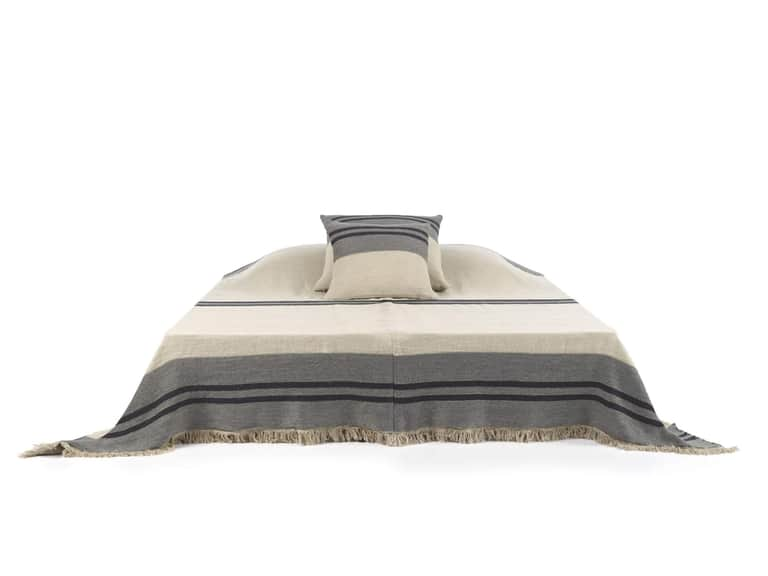
Within the Black House Stripe Coverlet and similar pieces, you’ll find design details such as stripe patterns, edging, and quilting techniques that affect both aesthetics and functionality. Coverlets often pair with comforters and sheets to create layered bedding, contributing to temperature regulation and a cohesive bedroom look without excessive bulk.
Functional benefits of blankets and quilts include temperature zoning, moisture absorption, and easy maintenance. Natural fibers tend to wick moisture and regulate warmth, while blended fabrics balance softness with durability. This category emphasizes versatility for lounging, sleep, and transitional seasons, ensuring comfort without compromising fabric integrity.
Meta keywords such as bedding, pillows, sheets, clothing and accessories, and bath robes reflect the broader textile ecosystem connected to blankets and quilts. By examining product construction, fiber choice, and care guidelines, readers gain insight into how blanket and quilt selections support overall sleep quality and interior comfort in everyday use.
 Bedding