Bedding Guide
A Guide to Gingerlily Charcoal Silk Sheets: Color, Fit, and Care
Charcoal silk brings a quiet depth to the bedroom: softer than stark black, more grounded than pale gray, and versatile enough to sit comfortably beside ivory, white, or muted color. Choosing the right sheets means looking beyond shade, however. Silk weight, mattress depth, layering, and gentle maintenance all shape how the bedding looks and feels over time.
Why charcoal works in a bedroom
Some neutrals recede into the background. Charcoal does something more considered: it adds definition without bringing the hard contrast of pure black. On a bed, the shade can make a bright room feel more settled, lend pale walls a point of visual focus, or give a layered arrangement a clear foundation. Silk contributes another dimension, reflecting light with a restrained sheen that changes subtly as the fabric folds.
That interplay is part of charcoal’s appeal. In dim evening light, the color may read as deep gray; in daylight, its undertones and surface highlights become easier to see. The result is not a single, fixed block of color, but a textile that responds to its surroundings. Smooth silk amplifies this effect: highlights travel across the surface while creases and drape create softer shadows.
Charcoal is also adaptable across decorating styles. It can complement a pared-back, contemporary room, anchor a mix of natural textures, or bring a quieter counterpoint to more decorative bedding. Rather than treating dark sheets as a dramatic statement, think of them as a grounding layer—one that can be made softer or sharper through the colors and fabrics around it.
Pairing charcoal silk with lighter bedding
The simplest way to style charcoal is to set it against a lighter tone. White and ivory create a clear, classic contrast, while cream, flax, or warm beige make the transition gentler. A pale flat sheet, duvet cover, or set of pillowcases can bring light back to the bed without competing with the charcoal base. The balance need not be perfectly symmetrical: a folded light layer at the foot of the bed can be enough to keep the composition from feeling heavy.
For a tonal arrangement, combine charcoal with silver gray or another soft gray. Varying the lightness of the shades gives the bed depth while maintaining a calm, cohesive palette. Texture then becomes especially important. A crisp cotton layer, a relaxed linen cover, or a matte woven throw can offset silk’s smoother surface. Differences in finish make a restrained color scheme feel intentional rather than flat.
Muted color can work well, too. Sage, dusty blue, and soft blush are examples of gentle hues that can sit alongside charcoal without overpowering it. Introduce them in modest amounts—a pillowcase, a narrow blanket, or a small accent—then let the dark neutral retain its role as the visual anchor. If the room already includes strong patterns or saturated colors, keeping the bedding mostly solid can help the overall space feel composed.
Consider the room’s existing materials as well as its color. Wood, woven surfaces, and natural-fiber textiles can warm up a dark silk layer. A room with cool stone or polished metal, by contrast, may reinforce charcoal’s cooler character. There is no single correct combination; the useful question is whether the bed should blend into the room or stand out as its focal point.
Understanding silk weight
Silk bedding is commonly described by weight in momme, a unit used to indicate the density of silk fabric. A higher number generally means more silk by area and a fuller, more substantial hand, though weight alone does not determine every aspect of quality or comfort. Construction, finishing, and how the fabric is cared for also matter.
The Gingerlily charcoal silk flat sheet is listed at 19 momme. The charcoal fitted sheet is also listed at 19 momme. These specifications offer a practical point of comparison when coordinating pieces or considering the feel of the fabric. A 19-momme sheet is a defined weight, not a promise that every silk textile will feel identical: weave and finish can influence the way a surface drapes, shines, and moves against the skin.
When choosing between silk bedding and another fabric, consider what you value most in daily use. Silk has a smooth surface and a distinctive natural sheen. Its feel differs from the crisp touch of percale cotton or the more textured character of linen. Preferences are personal, and comfort can depend on room temperature, other bedding layers, and how a sleeper likes fabric to feel. If possible, use the stated fiber and weight information as a guide, while keeping expectations grounded in the particular item’s construction.
Weight should also be considered as part of a coordinated set rather than in isolation. A matching flat and fitted sheet at the same listed momme can provide a consistent material profile across the bed. Other pieces—such as duvet covers or pillowcases—may have their own specifications and care directions. Check each item’s label or product information rather than assuming that every piece in a collection is identical.
Getting the fitted-sheet depth right
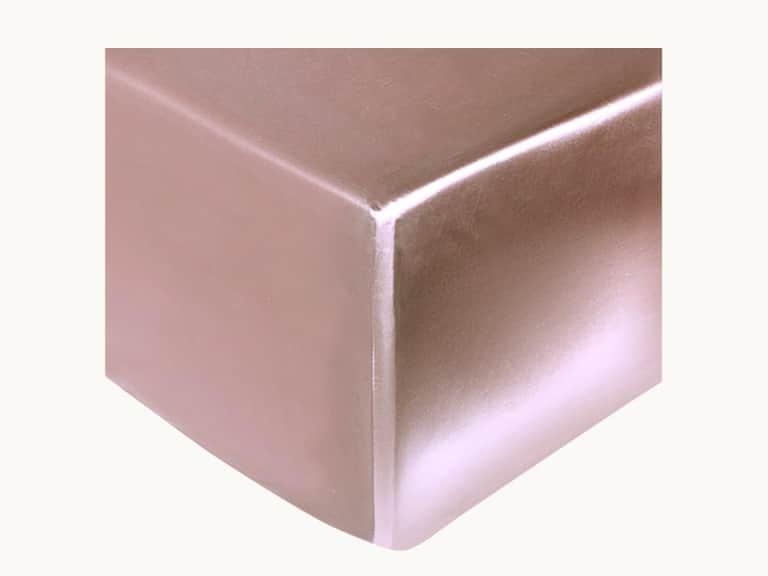
A fitted sheet can be beautifully made and still prove frustrating if its pocket is not deep enough for the mattress. The charcoal silk fitted sheet is specified with a 15-inch pocket depth. Before choosing a fitted sheet, measure the mattress from its top surface to its base, including any topper or pad that will remain in place beneath the sheet. Compare that total with the stated pocket depth and allow for the sheet to tuck securely underneath.
Mattress labels and standard bed-size names do not tell the whole story. Two mattresses with the same width and length can differ in height, while a plush topper can add several inches to the effective depth. Measuring the complete sleep surface is more reliable than estimating from a mattress size alone. If the total height is close to the listed pocket depth, consider how much fabric will be needed to hold the corners in place.
Fit depends on more than depth. Confirm that the sheet’s size matches the mattress dimensions, and check the product details for the specified pocket measurement. Once it is on the bed, the corners should remain anchored without excessive strain. A sheet that is stretched too tightly may be difficult to position; one with too much excess can shift or bunch. The aim is a smooth surface with enough ease to stay secure during normal use.
Silk’s smoothness makes a well-fitted sheet especially worthwhile. A stable fit helps the surface lie neatly and reduces the need to reposition it. If a mattress includes a topper, measure with that layer in place. If you change the mattress setup later, recheck the fit rather than relying on an earlier measurement.
Gentle care for silk sheets
Silk’s smooth finish deserves a measured laundry routine. The care guidance provided for Gingerlily silk sheets calls for a delicate machine-wash cycle at no more than 30°C, a mild liquid detergent, air drying, and a cool iron if needed. Always check the care label on the specific item before washing; instructions can vary among products, and the label is the most direct guide for that piece.
Before laundering, close any zippers on items washed alongside the sheet and avoid mixing silk with rough or heavy textiles that could cause friction. Use a mild detergent appropriate for delicate fabrics, and do not substitute bleach or a harsh cleaning product. A gentle cycle limits agitation, while a moderate water temperature follows the stated care range. Avoid crowding the machine, since fabric needs room to move freely through the wash.
After washing, air dry the sheet rather than exposing it to high heat. Direct, intense sunlight can be harsh on textiles, so choose a suitable shaded or indoor drying area when possible. Avoid wringing or twisting the fabric to remove water; handle it carefully and let excess moisture drain. If ironing is needed, use a cool setting and follow the care label. A cautious approach helps maintain the fabric’s smooth feel and sheen.
Routine habits can reduce unnecessary wear between washes. Keep food, cosmetics, and lotions away from the bedding where possible, and treat a mark promptly according to the fabric’s care guidance rather than rubbing it aggressively. Freshly washed, completely dry sheets are ready for storage or remaking the bed. If a stain is difficult or the instructions are unclear, seek advice from a textile-care professional instead of experimenting with a strong solvent.
Storing silk between uses
When the sheets are not in rotation, store them clean and fully dry in a cool, dry place. A breathable fabric bag or a clean linen cupboard shelf is preferable to a damp or overheated space. Avoid compressing silk beneath heavy objects for long periods; keeping the fabric loosely folded can help reduce harsh creases. If the bedding is stored seasonally, check that the storage area remains dry and protected from dust.
Small details matter here. Do not put away silk while it is even slightly damp, and keep it away from sharp edges or items that might snag the weave. If you use a storage container, choose one that does not trap moisture. These are simple precautions, but they make the transition from laundry to cupboard less demanding on a delicate textile.
A practical checklist before choosing
- Decide on the palette. Choose whether charcoal will contrast with ivory and white, blend with other grays, or sit beside muted color.
- Check the listed silk weight. The Gingerlily charcoal flat and fitted sheets are each described as 19 momme.
- Measure the mattress setup. Include a topper or pad when checking the fitted sheet’s 15-inch pocket depth.
- Review care instructions. Confirm the temperature, detergent, drying, and ironing guidance for each item.
- Plan the layers. Mix smooth silk with a contrasting weave or finish to give a tonal bed more dimension.
- Keep the routine gentle. Air drying and careful handling help limit unnecessary stress on the fabric.
This checklist turns an appealing color choice into a more considered bedding decision. It also helps prevent common mismatches: a fitted sheet that cannot accommodate the full mattress height, a palette that feels too stark for the room, or a care routine that is more aggressive than the fabric requires.
Common questions about charcoal silk bedding
Will charcoal make a bedroom feel too dark?
Not necessarily. Charcoal can look balanced when paired with lighter bedding, pale walls, or natural textures. If you are concerned about visual weight, use it as one layer rather than covering the entire bed in dark tones. Ivory or white nearby can create contrast and keep the arrangement open.
What does 19 momme tell me?
Momme is a unit used to describe silk fabric weight. The charcoal Gingerlily flat and fitted sheets are listed at 19 momme. It is a useful specification when comparing silk bedding, but the fabric’s complete feel also depends on its weave and finish.
How can I tell whether a 15-inch pocket will fit?
Measure the mattress, including any topper or pad, and compare its total height with the sheet’s stated pocket depth. Check the mattress length and width as well. A depth measurement alone cannot confirm that the sheet is the correct overall size.
Can silk sheets be machine washed?
The provided care guidance for Gingerlily silk sheets allows machine washing on a delicate cycle at no more than 30°C, with mild liquid detergent. Follow the care label for the individual sheet, air dry, and use a cool iron only if needed.
The quiet versatility of charcoal
Charcoal silk sheets can make a bedroom feel composed without prescribing a single decorating style. Their depth gives pale bedding a sharper outline; their neutral character makes room for soft color, pattern, or natural textures. With Gingerlily’s listed 19-momme weight, the charcoal flat and fitted sheets share a clearly stated silk specification, while the fitted sheet’s 15-inch pocket depth gives shoppers a concrete measurement to compare with their mattress.
The final choice rests on practical questions as much as appearance: Will the color sit comfortably with the room? Does the fitted sheet suit the complete mattress height? Are you prepared to follow a gentle washing and drying routine? When those details align, charcoal becomes more than a dramatic shade. It becomes a flexible foundation—one that can shift from crisp contrast to quiet, tonal calm as the layers around it change.

